Optimal Conditions for Concrete Installations
Concrete installations are most effectively completed during specific weather conditions to ensure durability and quality. Temperature, humidity, and precipitation play crucial roles in the curing process and final outcome of concrete projects.
Ideal temperatures for concrete placement are between 50°F and 85°F. Temperatures outside this range can affect setting time and strength development.
Spring and fall often provide the most suitable weather conditions. Summer may require additional measures to prevent rapid drying, while winter demands special heating and protection methods.
Rain, snow, or extreme cold can delay curing or compromise the integrity of concrete. Planning around forecasted weather is essential for successful installation.
Proper planning ensures concrete is installed during periods with stable weather conditions, minimizing risks of cracking or improper curing.
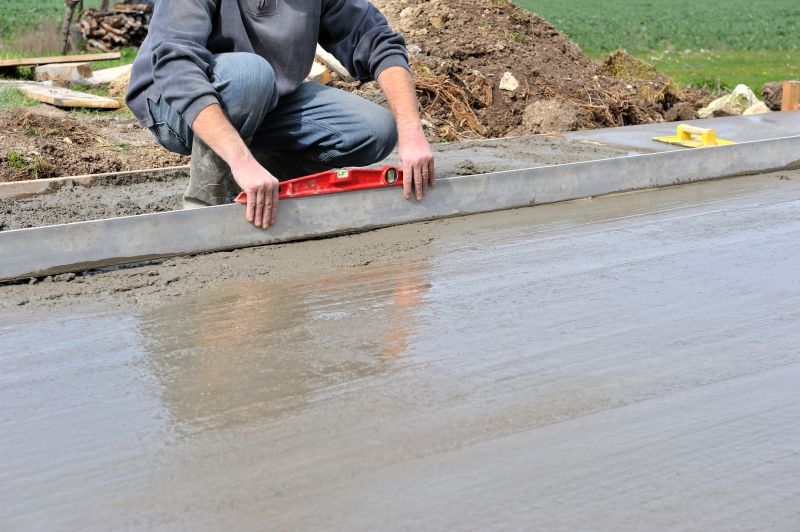
Spring offers moderate temperatures ideal for concrete installation, reducing curing issues.
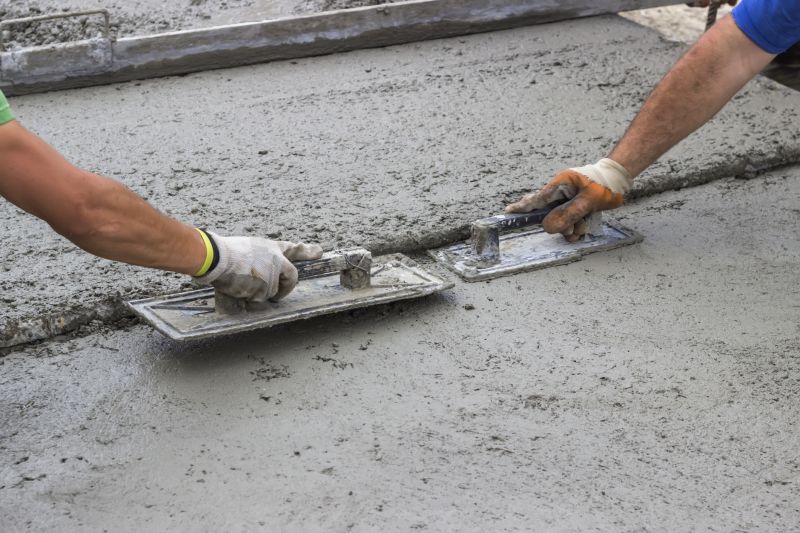
Summer requires precautions against rapid drying and high temperatures.
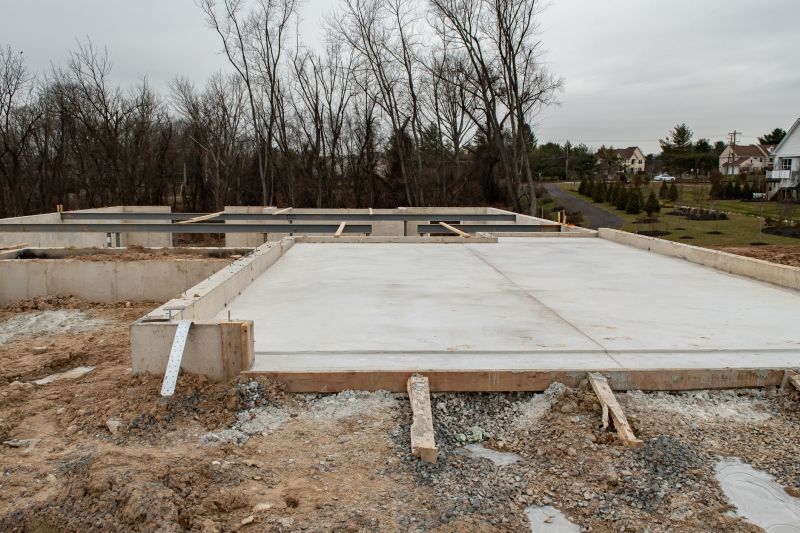
Fall provides cooler weather conducive to proper curing and strength development.
Ways to make Concrete Installations work in tight or awkward layouts.
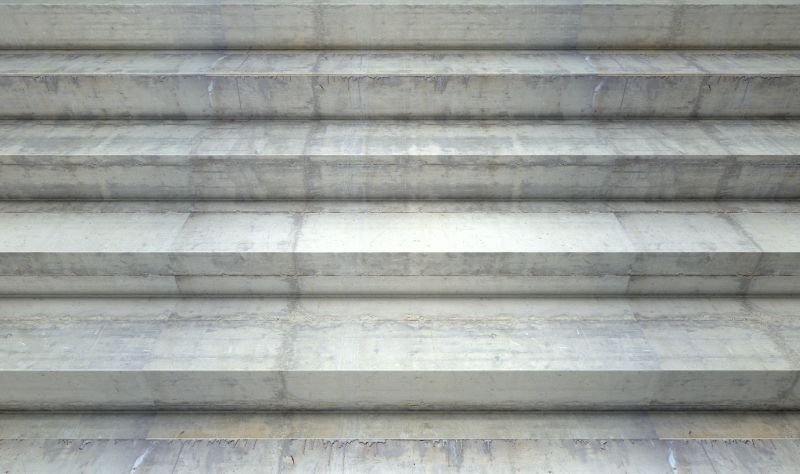
Popular materials for Concrete Installations and why they hold up over time.

Simple add-ons that improve Concrete Installations without blowing the budget.
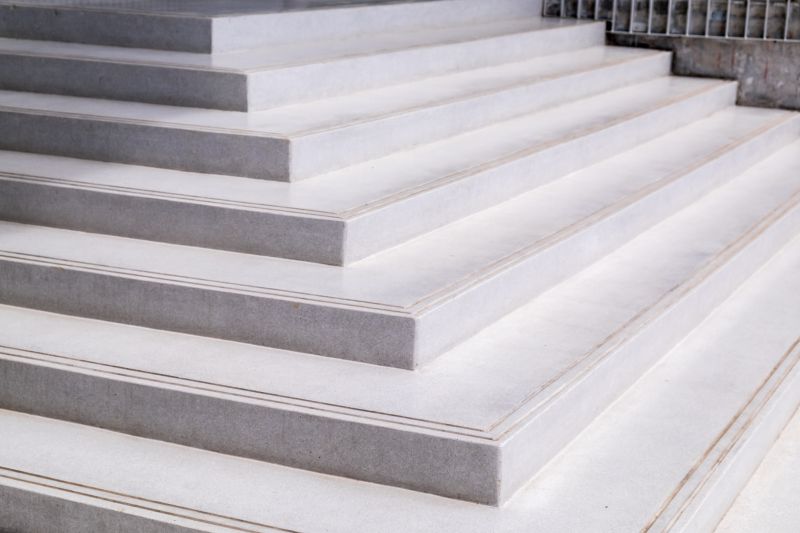
High-end options that actually feel worth it for Concrete Installations.
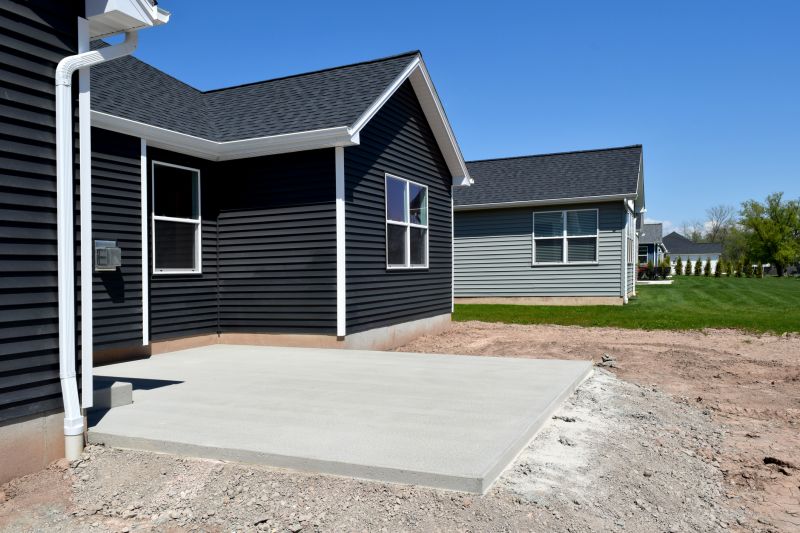
Finishes and colors that play nicely with Concrete Installations.
| Season | Ideal Conditions |
|---|---|
| Spring | Temperatures between 50°F and 75°F, low rainfall |
| Summer | Moderate to high temperatures, avoid extreme heat |
| Fall | Cooler temperatures, minimal rain |
| Winter | Cold temperatures, requires heating and protection |
| Year-round | Weather permitting, with adjustments |
Concrete installation involves a precise process that includes site preparation, form setting, mixing, pouring, and curing. Proper timing ensures the concrete achieves maximum strength and durability. Weather conditions significantly influence each stage, particularly curing, which is critical for long-term performance.
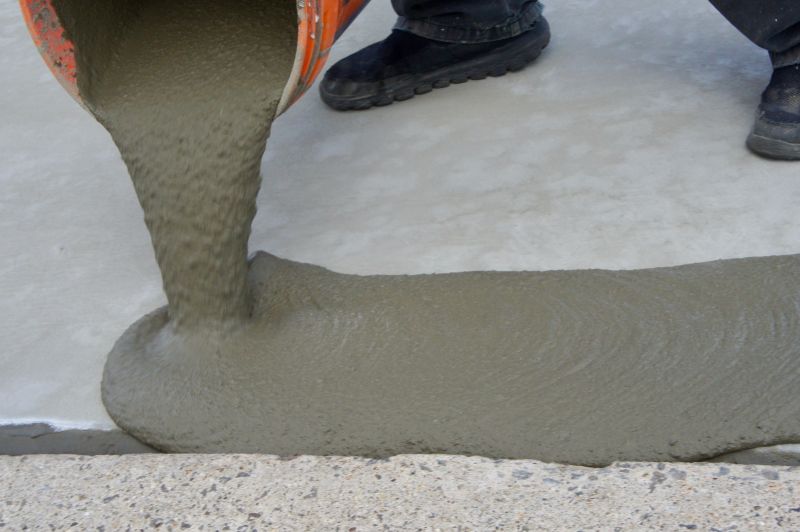
Optimal weather ensures smooth installation and curing.
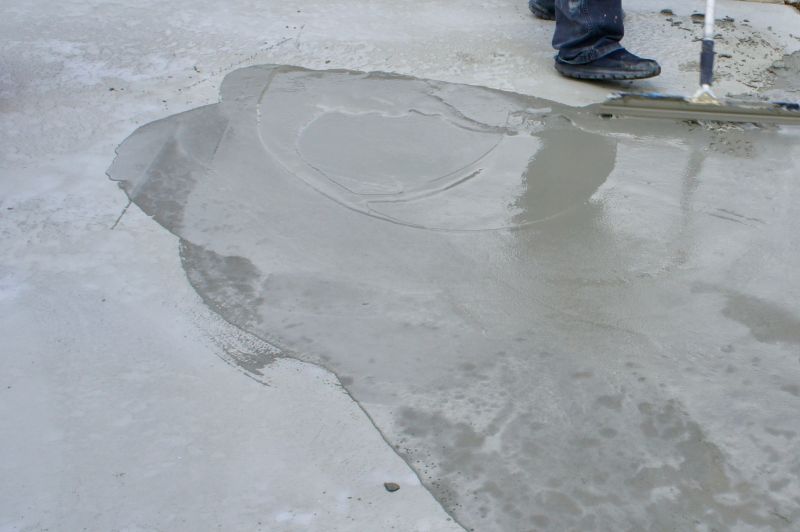
Covering and heating are essential during cold weather.
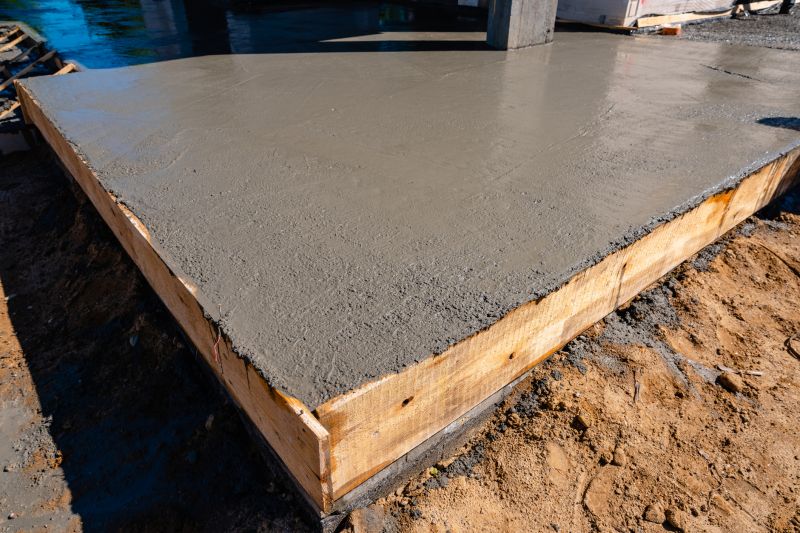
Ideal for outdoor concrete work with stable temperatures.
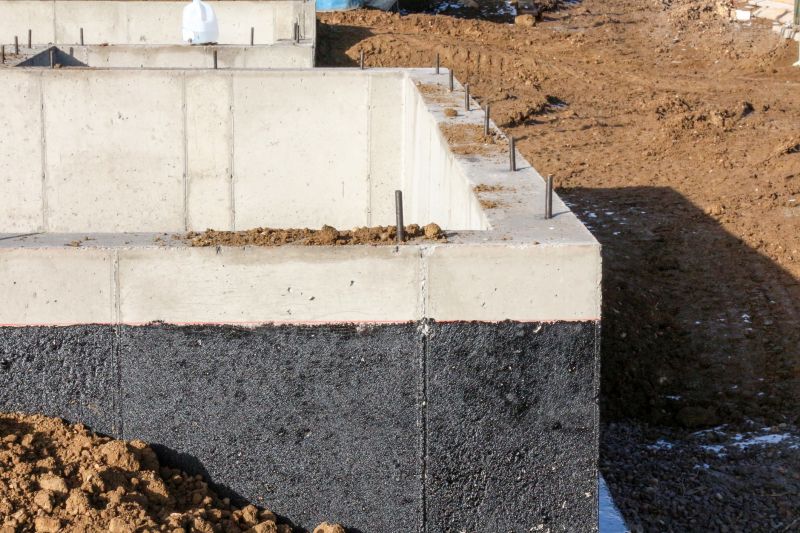
Cooler weather supports effective curing.
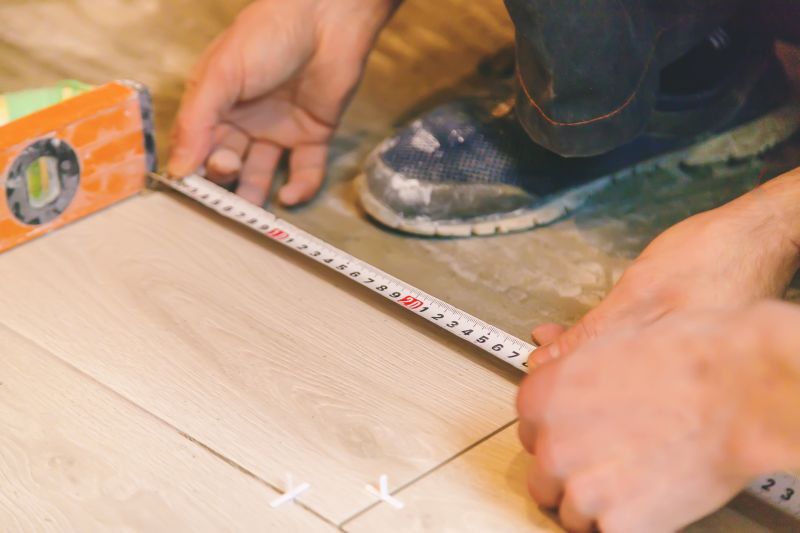
Little measurements that prevent headaches on Concrete Installations day.
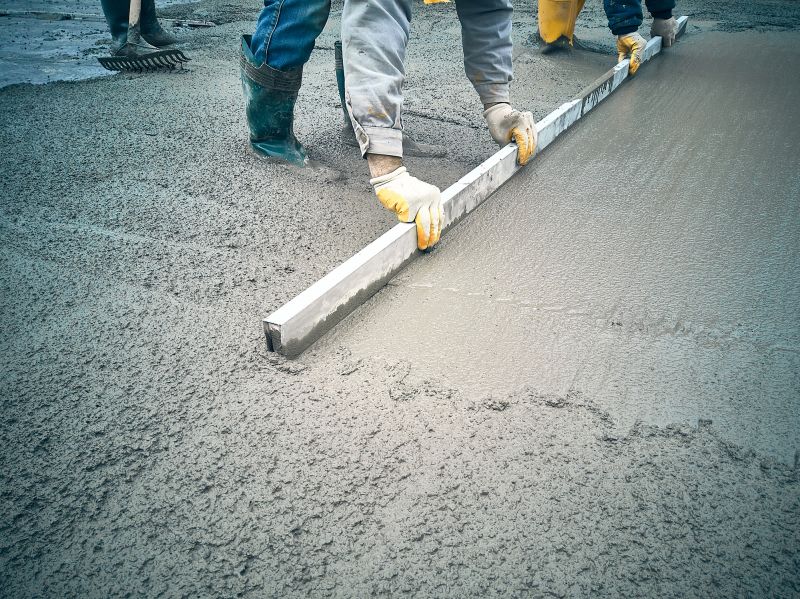
A 60-second routine that keeps Concrete Installations looking new.
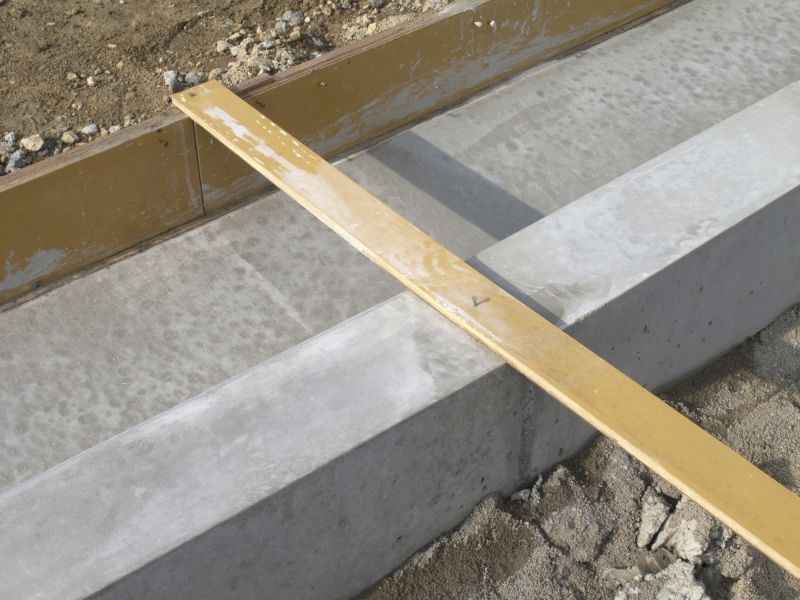
A frequent mistake in Concrete Installations and how to dodge it.

Small tweaks to make Concrete Installations safer and easier to use.
Interested in scheduling concrete installation during the most suitable season? Contact to discuss the best timing for specific project needs and local weather patterns.