
Essential Products For Successful Concrete Installations
Learn about key tools and materials that contribute to durable, high-quality concrete structures and surfaces.
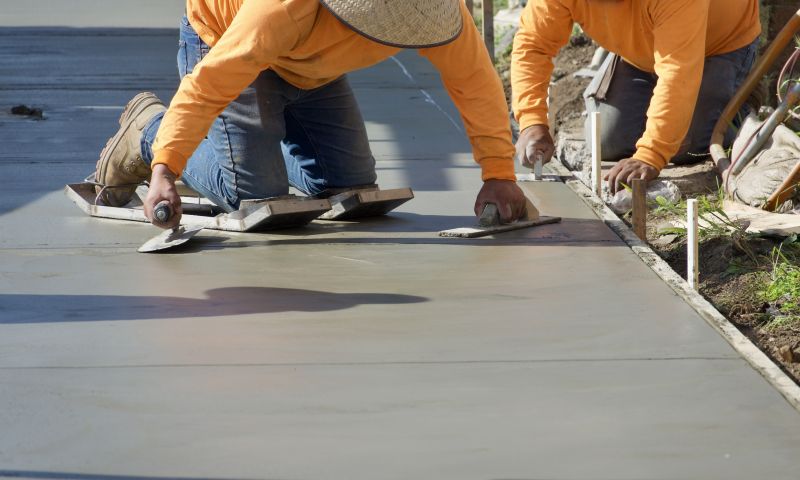 Concrete installations are a fundamental element in construction projects, landscaping, and home improvement endeavors around Issaquah, WA. From driveways and patios to decorative features and structural elements, selecting the right products ensures durability and a professional finish. The process involves various materials and tools designed to facilitate proper mixing, pouring, curing, and finishing of concrete surfaces. Understanding the different product options available can help homeowners and contractors achieve optimal results tailored to their specific project needs.
Top Overall Option
Concrete Mix and Repair Compound
A versatile concrete mix and repair compound that offers reliable consistency for various applications, including patching, filling, and finishing. Designed for ease of use and compatibility with different concrete types, it supports durable and smooth results. Suitable for both small repairs and larger installation projects, this product provides a practical solution for maintaining and completing concrete surfaces.
Types of Products For Concrete Installations
Concrete Mix
Pre-mixed or bagged concrete used for pouring and setting new structures or features.
Reinforcement Mesh
Steel or fiberglass mesh used to strengthen concrete slabs and prevent cracking.
Form Liners
Molds or templates that shape concrete surfaces and decorative features.
Concrete Sealers
Protective coatings that enhance durability and resist water and stains.
Bonding Agents
Adhesives that improve the bond between old and new concrete surfaces.
Concrete Edging Tools
Tools designed for creating clean, precise edges around concrete features.
Vibrators
Equipment used to eliminate air bubbles and ensure proper compaction of concrete.
Curing Compounds
Products that promote proper curing and reduce cracking during the setting process.
Concrete Patches
Materials used for filling cracks and surface defects in existing concrete.
Waterproofing Membranes
Layers applied to concrete surfaces to prevent water infiltration.
Surface Finishing Tools
Trowels, floats, and brushes used to achieve desired surface textures.
Expansion Joints
Materials that accommodate movement and prevent cracking in large slabs.
Concrete Coloring Agents
Pigments and dyes used to add color to concrete surfaces.
Anchor Bolts and Fasteners
Hardware used to secure fixtures and structural elements to concrete.
Grout and Fillers
Materials for filling gaps and bonding components within concrete structures.
Concrete Saws and Cutters
Tools for cutting and shaping hardened concrete.
Edge Restraints
Materials that define and contain concrete edges and borders.
Drainage Products
Grates and channels designed to facilitate water runoff in concrete areas.
Popular Choices
Equipment for mixing small batches of concrete on-site, suitable for DIY projects.
Complete kits that include patching compounds, bonding agents, and tools.
Tools for applying sealers evenly across large surfaces.
Machines that help level and smooth freshly poured concrete efficiently.
Flexible materials used to fill joints and allow for movement.
Molds and stamps used to create textured and patterned concrete surfaces.
Hand tools and machines for creating clean and uniform edges.
Products that help protect concrete from water damage and staining.
Tools for achieving smooth or textured finishes on concrete surfaces.
Materials used to cover concrete during curing to maintain moisture.
Heavy-duty saws designed for precise cuts in hardened concrete.
Pre-cut or roll forms of reinforcement mesh for various slab sizes.
Powders and liquids used to add color to concrete mixes.
Chemicals that facilitate easy removal of forms after concrete sets.
Equipment for injecting grout into concrete structures or joints.
Tools and products for preparing surfaces before finishing or sealing.
Pre-fabricated systems for effective water management in concrete areas.
Fasteners used to secure fixtures to concrete surfaces.
When working with concrete, it is essential to consider the quality and compatibility of products used throughout the installation process. Proper preparation, reinforcement, and finishing techniques contribute significantly to the longevity and appearance of the finished work. Whether installing a new sidewalk or creating a decorative feature, the right products can simplify tasks, improve safety, and enhance the overall quality of the project.
In addition to basic tools and materials, there are specialized products designed for specific applications such as patching, sealing, and reinforcing concrete surfaces. These products help address common issues like cracking, water infiltration, and surface wear. For those undertaking larger projects, investing in reliable equipment and accessories can streamline the workflow and ensure consistent results. Proper selection and application of these products are key to successful concrete installations in the Issaquah area and beyond.
Ultimately, understanding the scope of available products and their intended use can help guide purchasing decisions. Consulting with local suppliers or professionals can provide insights into the most suitable options for specific project requirements. With the right products, both DIY enthusiasts and seasoned contractors can achieve durable, aesthetically pleasing concrete installations that stand the test of time.
Key Buying Considerations
- Determine the specific application and select products designed for that purpose.
- Consider the compatibility of repair materials with existing concrete surfaces.
- Evaluate the ease of use and whether specialized tools are required.
- Assess the curing time and environmental conditions during installation.
- Check the product's drying and setting times to align with project schedules.
- Look for products with proven adhesion and bonding qualities.
- Choose appropriate reinforcement materials based on slab thickness and load requirements.
- Ensure that sealers and coatings are suitable for the intended exposure conditions.
- Consider the size and scope of the project to determine quantity needs.
- Review safety instructions and handling requirements for each product.
- Select products that provide consistent results and have good user feedback.
- Factor in budget constraints while ensuring quality and durability.
- Verify compatibility with other materials and tools being used.
- Assess the environmental conditions, such as moisture levels and temperature, that may affect application.
- Consult local suppliers or professionals for recommendations tailored to Issaquah, WA.